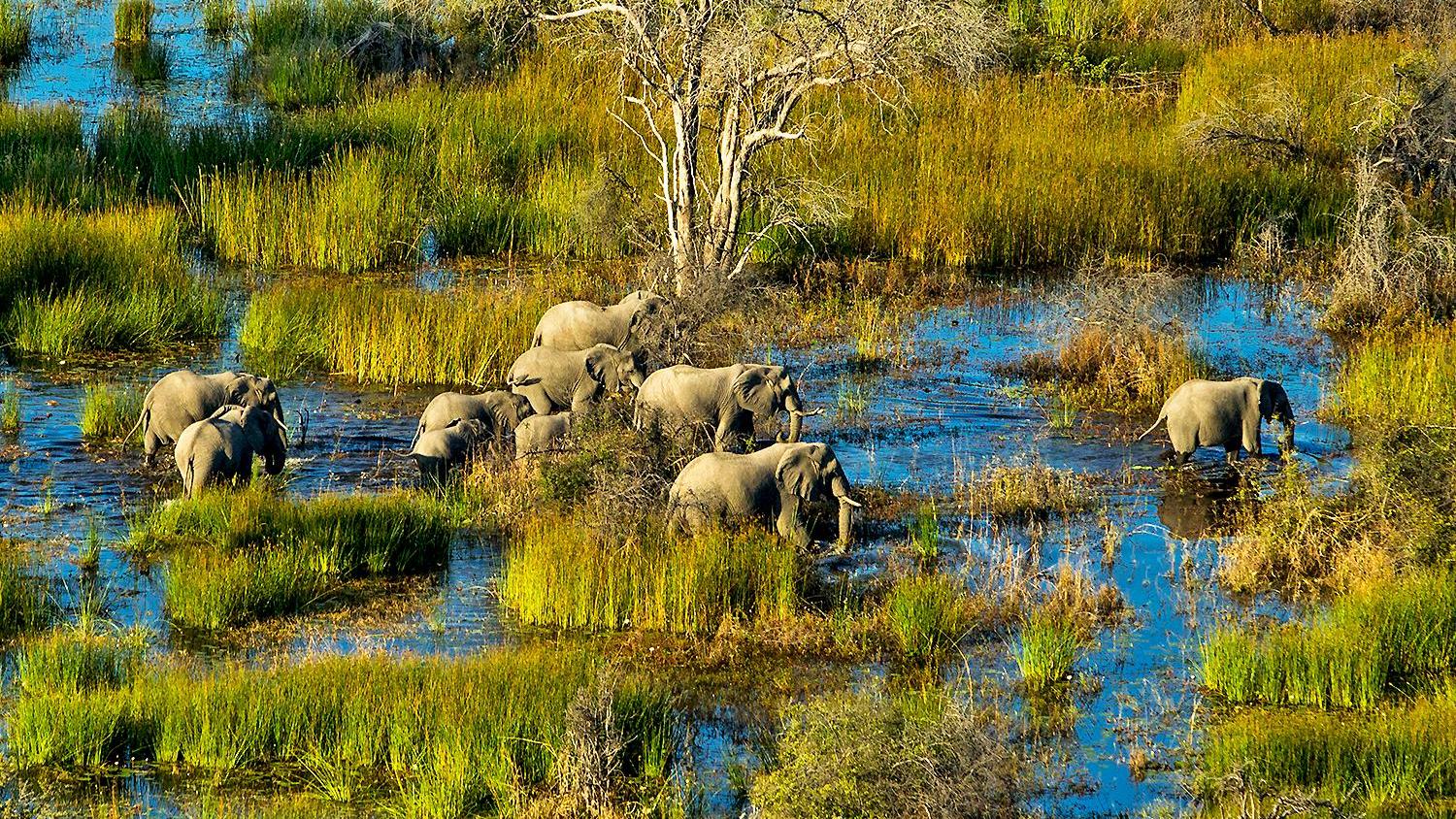

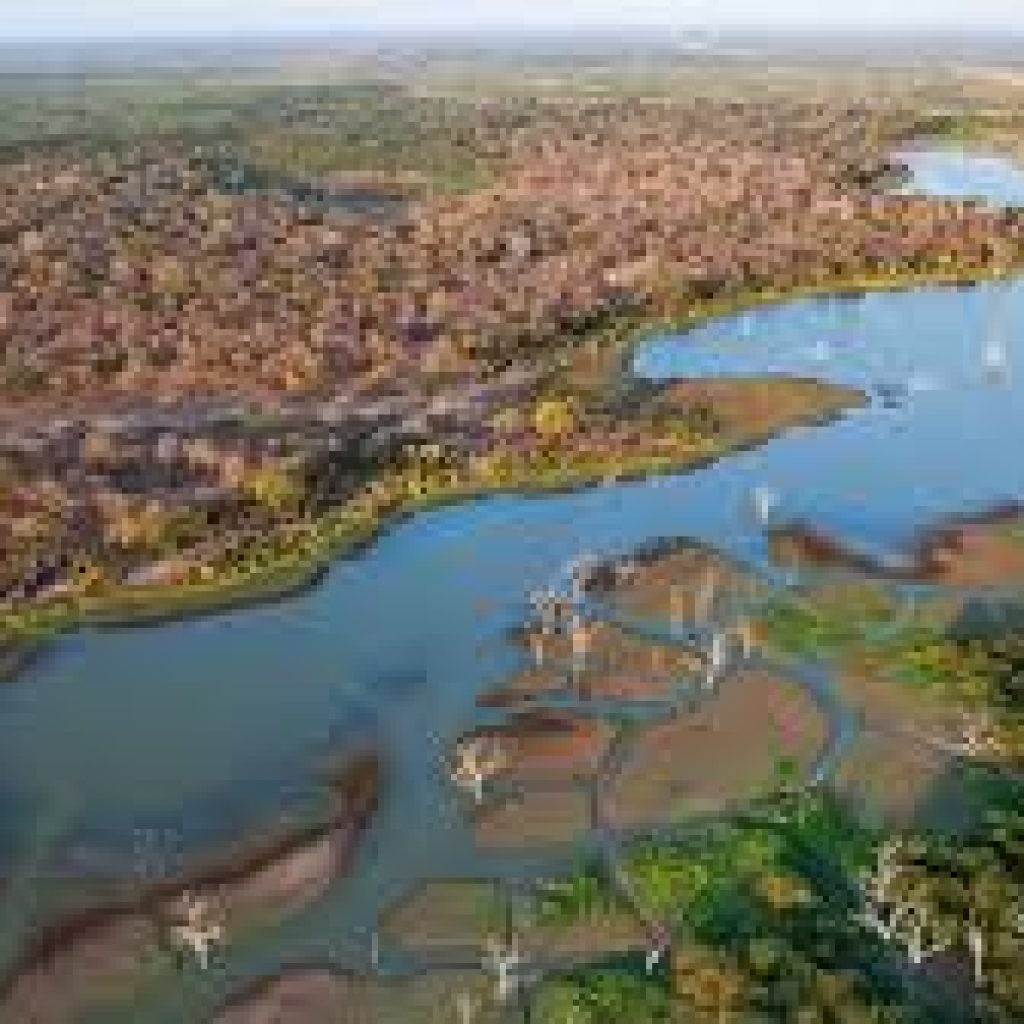
There are few places on earth that remain truly wild, but the Okavango Delta in Botswana is one of them. Often described as the “Jewel of the Kalahari,” the Delta is a geological miracle—a massive inland river system that, instead of flowing into the ocean, empties into the sands of the Kalahari Desert. This creates a 15,000-square-kilometer oasis of crystal-clear lagoons, lily-covered channels, and fertile islands that support one of the highest concentrations of wildlife on the planet.
For 2026, the Okavango Delta has solidified its position as the ultimate “Low Impact, High-End” safari destination. At Big Life Safari, we specialize in connecting our East African travelers to this Southern African masterpiece. Whether you are seeking the thrill of a Mokoro safari or the luxury of a remote water-camp, this guide is your definitive resource for planning the Okavango Delta in 2026.
1. The Miracle of the Flood: Understanding Delta Hydrology
The most fascinating aspect of the Okavango is its “inverted” seasons. While the rest of Botswana experiences its harshest dry season, the Delta is at its deepest. This is due to a 1,200-kilometer journey taken by rainwater falling in the Angolan highlands, which takes nearly six months to reach the Delta panhandle.
The 2026 Seasonal Outlook
Planning for 2026 requires understanding these water levels, as they dictate which activities (boating vs. game drives) are available at specific camps.
| Season | Months | The Experience |
| Peak Flood | June – August | The “High Season.” The Delta is full of water. Best for Mokoro trips and boat safaris. Wildlife is concentrated on the remaining dry islands. |
| Shoulder Season | Sept – Oct | Water begins to recede. Temperatures rise, and wildlife viewing becomes intense as animals gather around shrinking waterholes. |
| Green Season | Nov – March | The “Rainy Season.” Dramatic thunderstorms, lush landscapes, and the birthing season for many herbivores. Excellent for birdwatching and lower prices. |
| The Transition | April – May | The first floodwaters arrive in the northern panhandle. Beautiful clear skies and moderate temperatures. |
Big Life Safari Insight: For 2026, we recommend the June to August window for first-time visitors who want the “classic” water-based Delta experience.
2. Regional Anatomy: Where to Stay in 2026
The Delta is divided into several distinct regions, each offering a different wildlife and landscape profile. Choosing the right “Concession” is the key to a successful Big Life Safari itinerary.
I. Moremi Game Reserve & Chief’s Island
Moremi is the only officially protected part of the Delta. Chief’s Island, located within Moremi, was once the private hunting ground of the local Chief and is now the “Predator Capital” of Botswana.
- Wildlife: High densities of Lion, Leopard, and the elusive African Wild Dog.
- Why it’s trending for 2026: Moremi remains the most reliable spot for “Big Five” viewing in the Delta, particularly with the successful reintroduction of both Black and White Rhino.
II. Private Concessions (The “Water” Camps)
The areas surrounding Moremi are divided into private concessions. These offer more freedom than the national reserve, including night drives and off-road tracking.
- Vibe: Exclusive, remote, and intimate. Many of these camps are “water-only” during the flood, meaning you arrive by boat or light aircraft and explore primarily by water.
III. The Panhandle
In the far north, the Okavango River is a deep, fast-flowing channel before it breaks into the Delta.
- Activity: This is the destination for world-class tiger fishing and visiting the Tsodilo Hills, a UNESCO site featuring over 4,500 San Bushman rock paintings.
3. Signature Experiences: The “Big Life” Delta Style
The Mokoro: Silence in the Reeds
The Mokoro (a traditional dugout canoe) is the icon of the Okavango. Polled by a skilled “poler” through shallow channels, the Mokoro allows you to glide silently within inches of reed frogs, malachite kingfishers, and thirsty elephants.
- 2026 Upgrade: We now offer “Fly-Camping Mokoro Trails,” where guests spend 2-3 days traversing the Delta and camping on remote islands under the stars.
African Wild Dog Tracking
The Okavango Delta is one of the last strongholds for the Endangered African Wild Dog. Our 2026 specialist guides use their knowledge of denning sites to provide respectful, high-probability sightings of these “Painted Wolves.”
The Scenic “Bush” Flight
Because there are no roads into the heart of the Delta, every Big Life Safari includes a light aircraft transfer.
- Visual Spectacle: From the air, you can see the “Elephant Paths” that create the Delta’s channels and spot pods of hippos in the lagoons. For 2026, we prioritize “Doors-Off” helicopter transfers for our photography clients.
4. Logistics: Bridging East and Southern Africa
As a Tanzania-based DMC, Big Life Safari makes the complex cross-continental journey feel effortless. We specialize in the “Great African Circuit,” linking the Serengeti to the Okavango.
The 2026 “Seamless Link” Strategy
- Morning: Breakfast in your Serengeti camp (Tanzania).
- Midday: Private charter or scheduled flight to Nairobi (NBO) or Johannesburg (JNB).
- Afternoon: Connection to Maun (MUB), the gateway to the Delta.
- Sunset: A 20-minute “puddle-jumper” flight directly into your Delta camp’s private airstrip.
| Connection | Route | Duration |
| East to South | Arusha/Serengeti → Maun | ~6-8 Hours (via JNB/NBO) |
| Internal South | Victoria Falls → Maun | 1.5 Hours (Direct Flight) |
| Regional South | Cape Town → Maun | 2.5 Hours (Direct Flight) |
5. Planning Your 2026 Budget: The Cost of Exclusivity
Botswana operates on a “Low Volume, High Price” tourism model. This ensures that the Delta remains pristine and uncrowded.
2026 Estimated Costs (Per Person, Per Night)
- Mid-Range Luxury: $800 – $1,200 (Inclusive of all meals, drinks, and activities).
- Upper Luxury: $1,500 – $2,500 (Premier camps with private plunge pools and elite guiding).
- Ultra-Exclusive: $3,500+ (Private villas and helicopter-only access).
Big Life Safari Tip: In 2026, we are seeing great value in “Long Stay” discounts. Booking 6+ nights with the same camp portfolio can save you up to 25% on the total cost.
6. Sustainability: The “Big Life” Impact in Botswana
The Okavango Delta is a fragile ecosystem. In 2026, Big Life Safari only partners with operators who adhere to the strictest environmental standards.
- 100% Solar Power: Most of our 2026 partner camps are completely off-grid, utilizing massive solar arrays to power everything from ice machines to hair dryers.
- The Rhino Relocation Project: A portion of every Delta booking supports the Botswana Rhino Reintroduction Project, which has successfully moved rhinos from high-poaching areas in South Africa to the safety of the Delta.
- Citizen Science: We encourage our 2026 guests to participate in “Wildbook” uploads, where your photos of leopards and wild dogs are used by researchers to track individual animal movements.
7. The Ultimate 2026 “Bush & Water” Itinerary (12 Days)
- Day 1-2: Arrival in Maun and transfer to the Kalahari Desert for a contrast of dry-land species and San Bushman culture.
- Day 3-5: Southern Okavango Delta. Focus on Mokoro trips and water-based wildlife.
- Day 6-8: Chief’s Island (Moremi). High-intensity predator tracking and game drives.
- Day 9-11: Chobe River Front. Transitioning toward Victoria Falls, focusing on huge elephant and buffalo herds.
- Day 12: Departure via Victoria Falls/Livingstone.
8. 2026 Packing Essentials for the Delta
- Neutral Colors: Khaki, sage, and tan are essential to blend in (Avoid bright colors and camouflage/military patterns).
- Waterproof Gear: A lightweight dry-bag for your camera equipment during Mokoro trips.
- Binoculars: Essential for the incredible birdlife (Pel’s Fishing Owl is a 2026 bucket-list bird).
- Polarized Sunglasses: To see through the glare of the water when spotting crocodiles and hippos.
9. Start Your 2026 Okavango Journey with Big Life Safari
The Delta is not just a destination; it is a feeling of total immersion in the natural world. As your regional DMC, Big Life Safari takes the stress out of the logistics, ensuring you have the best guides, the most sustainable camps, and a seamless connection to the rest of Africa.
Contact Us Today
Our Southern Africa specialists are ready to design your 2026 masterpiece:
- WhatsApp: +255 754 834 152
- Email: info@biglifesafari.com
- Website: www.biglifesafari.com
0 Comment