



Introduction: More Than Coffee—A Cultural Experience
In Arusha, coffee is not just a drink. It is a story—grown on volcanic soil, nurtured by generations, and shared through culture, tradition, and community.
When you join a coffee tour in Arusha with Big Life Safari, you are not simply tasting coffee. You are stepping into the daily life of local farmers, walking through lush highland farms, and understanding how one of the world’s most loved beverages begins its journey.
Set against the green slopes of Mount Meru, this experience blends culture, agriculture, and authentic connection—making it one of the most enriching activities to add before or after your safari.
Why Do a Coffee Tour in Arusha?
Arusha sits in one of Tanzania’s prime coffee-growing regions. The fertile volcanic soil and ideal climate produce high-quality Arabica coffee, known for its rich aroma and smooth flavor,it is undoubtedly the best coffee in the world
What Makes This Experience Special
- Direct interaction with local farmers
- Hands-on participation in coffee processing
- Insight into sustainable farming practices
- A deeper understanding of Tanzanian culture
It is not a tourist show—it is real life.
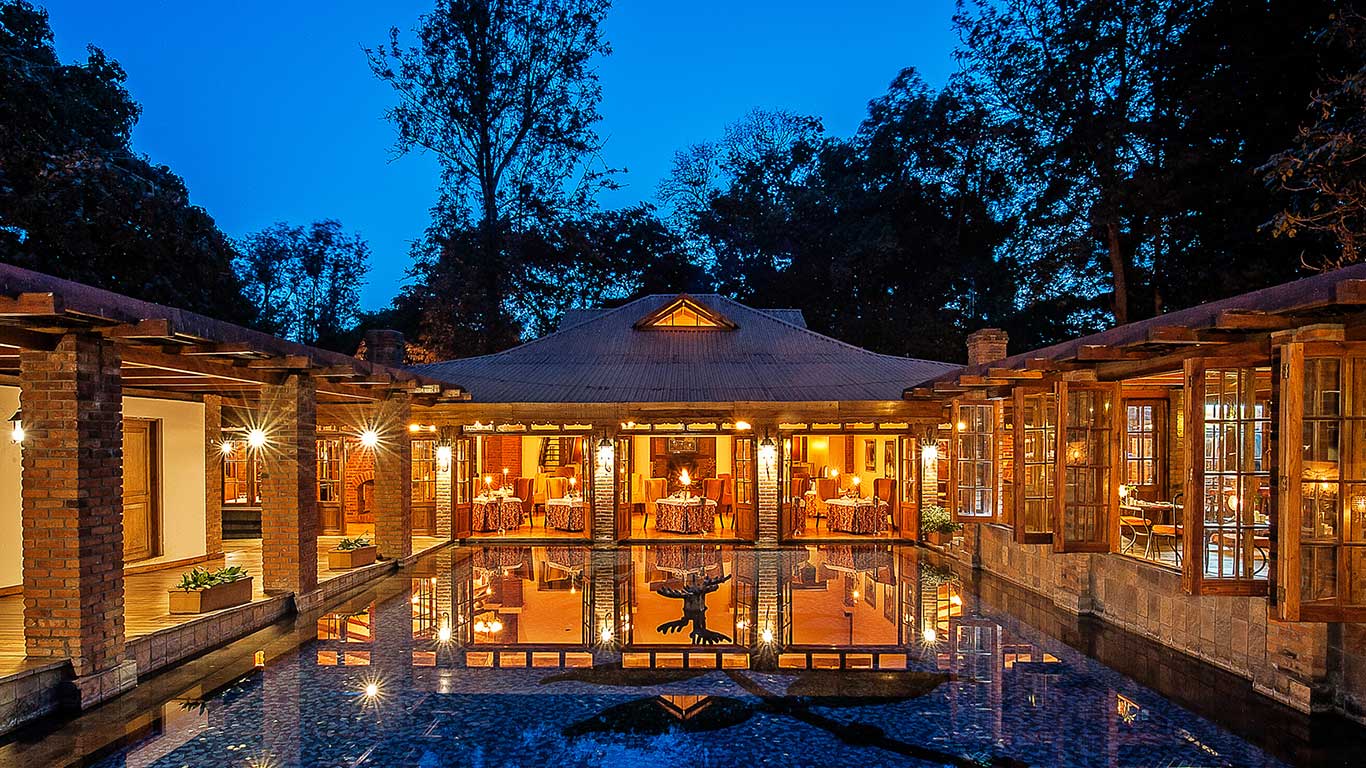
Where the Coffee Tour Takes Place


4
Most coffee tours take place in villages on the slopes of:
- Mount Meru
- Surrounding Meru (Wameru) communities
These areas are known for:
- Rich volcanic soil
- High rainfall
- Ideal altitude for Arabica coffee
Step-by-Step Coffee Tour Experience
This is what your day typically looks like with Big Life Safari:
Step 1: Pick-Up & Scenic Drive from Arusha
Your journey begins with a comfortable pick-up from your hotel in Arusha.
As you leave the city behind, the landscape changes:
- Urban streets give way to green hills
- Markets fade into farmland
- Mount Meru rises in the background
Your guide introduces you to:
- The history of coffee in Tanzania
- The role of farming communities
- What to expect during the experience
This is where the learning begins.
Step 2: Welcome to the Village


Upon arrival, you are welcomed by a local family.
The atmosphere is:
- Warm
- Genuine
- Unscripted
You are not treated as a tourist—you are treated as a guest.
You’ll meet:
- Farmers
- Family members
- Sometimes elders who share stories
Step 3: Walk Through the Coffee Farm
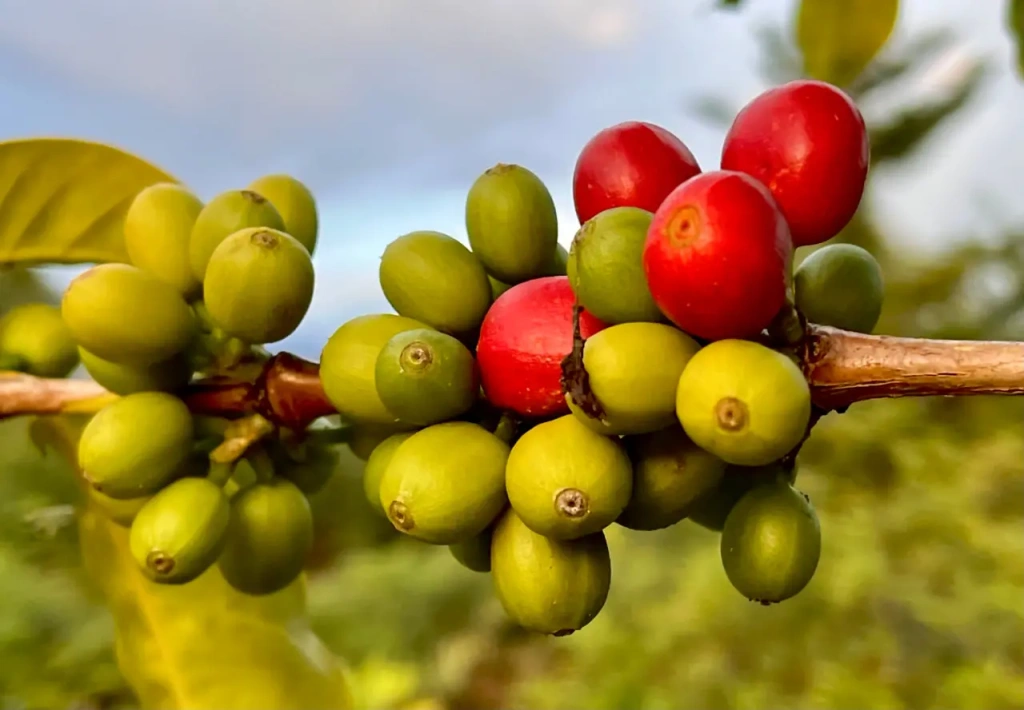

You then walk through the coffee plantation.
Here you learn:
How Coffee Grows
- Coffee starts as a cherry
- Grows best in shade under banana trees
- Takes years to mature
Seasonal Insight
- Harvest season: typically June–October
- During harvest, you may pick beans yourself
Farmers explain:
- Soil conditions
- Climate importance
- Traditional vs modern techniques
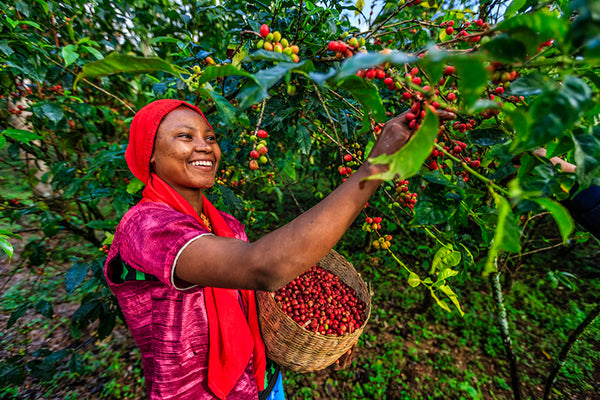
Step 4: Harvesting Coffee Beans
If you visit during harvest season, you can participate in picking coffee cherries.
You’ll learn:
- Only ripe (red) cherries are picked
- Quality starts at the farm
This hands-on step connects you directly to the process.
Step 5: Coffee Processing – From Cherry to Bean


This is where the transformation begins.
Stages Explained:
1. Pulping
The outer skin of the cherry is removed.
2. Fermentation
Beans are left to ferment, removing the sticky layer.
3. Washing
Cleaned thoroughly with water.
4. Drying
Beans are sun-dried for several days.
You’ll see how:
- Everything is done manually
- Quality is carefully maintained
Step 6: Traditional Roasting & Grinding

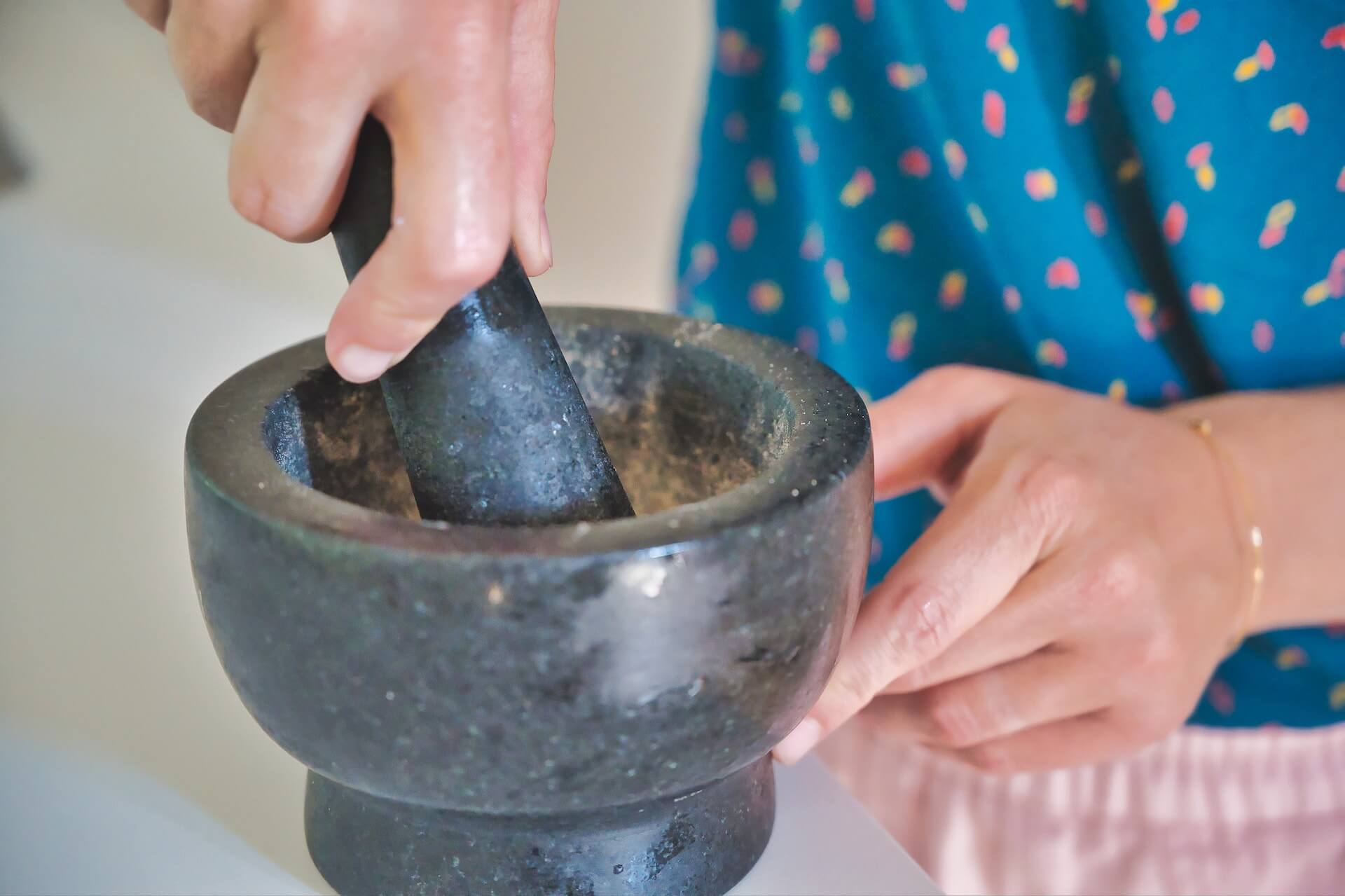

This is one of the most engaging parts of the tour.
You participate in:
- Roasting beans over fire
- Grinding using traditional tools
The process is:
- Interactive
- Fun
- Cultural
Often accompanied by:
- Singing
- Rhythmic pounding
- Community energy
Step 7: Coffee Tasting – The Final Reward
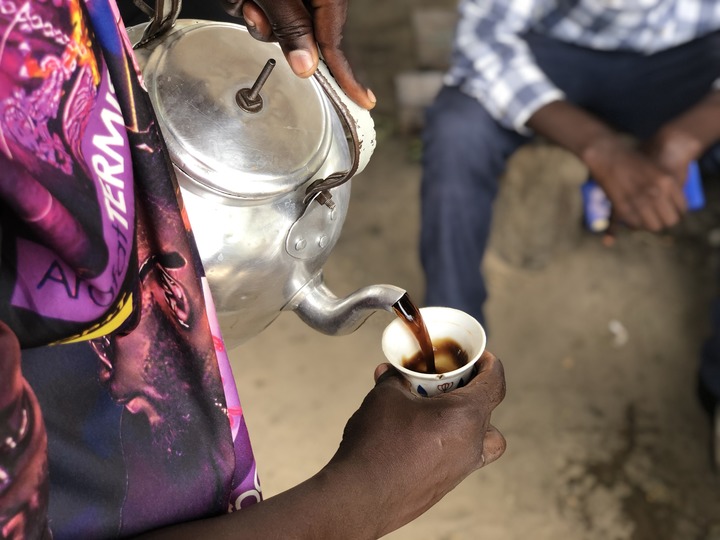
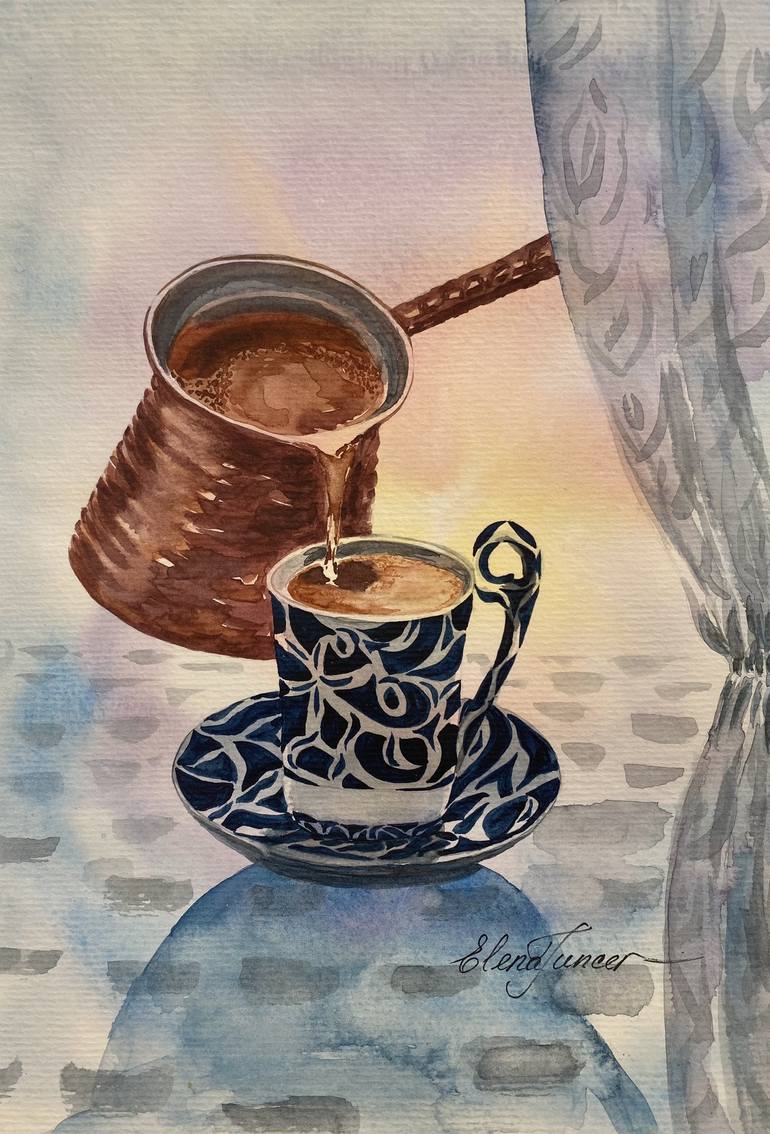
Finally, you taste the coffee you helped create.
The flavor is:
- Fresh
- Rich
- Authentic
More importantly:
It carries the story of the people behind it
Step 8: Cultural Interaction & Local Life
Beyond coffee, you experience daily life:
- Cooking local meals
- Learning traditions
- Visiting homes
This is where the experience becomes deeply human.
Step 9: Supporting the Local Community
Your visit directly benefits the community.
With Big Life Safari, this includes:
- Fair payment to farmers
- Support through Big Life Impact Foundation
- Sustainable tourism practices
Your presence creates real impact
What Makes Big Life Safari Coffee Tours Different
- Authentic, non-commercial experience
- Direct community involvement
- Professional guiding
- Ethical and sustainable approach
Best Time for a Coffee Tour in Arusha
Coffee tours are available year-round.
Best times:
- June–October: harvest season
- January–February: clear weather
What to Bring
- Comfortable walking shoes
- Camera
- Light clothing
- Curiosity
How Long Does the Tour Take?
- Typically half-day to full-day experience
Perfect for:
- Arrival day
- Departure day
- Rest day during safari
Combine Coffee Tour with Other Experiences
Enhance your day with:
- Meru cultural visit
- Waterfall hike
- Local market visit
Frequently Asked Questions
Is the coffee tour suitable for all ages?
Yes, it is family-friendly and easy to participate in.
Do I need prior knowledge about coffee?
No, everything is explained step by step.
Can I buy coffee from the farm?
Yes, often directly from the producers.
Final Thoughts: A Cup with Meaning
A coffee tour in Arusha is not about caffeine—it is about connection.
You leave with:
- Knowledge
- Appreciation
- Memories
And every time you drink coffee again, you will remember where it truly begins.
Book Your Coffee Tour with Big Life Safari
Add this experience to your safari itinerary
📧 info@biglifesafari.com
📞 +255 754 834 152
0 Comment