
Introduction: The Real Difference in a Safari
When people plan a safari in Tanzania, they often focus on the obvious things—Serengeti, Ngorongoro, the Big Five, luxury lodges, or the migration. But there is one element that quietly determines the entire experience:
The guide.
A safari is not just about where you go. It is about who takes you there.
At Big Life Safari, guides are not simply drivers behind the wheel of a 4×4 vehicle. They are the eyes through which you see the wilderness, the voice that explains what you are witnessing, and the bridge that connects you to Tanzania’s land, wildlife, and people.
This is where a standard safari becomes something far more meaningful—a deeply personal, immersive, and unforgettable journey.
Who Are Big Life Safari Guides?
Big Life Safari guides are professionally trained Tanzanian experts, selected not only for their technical ability but for their personality, communication skills, and passion.
They are individuals who have grown up surrounded by the very landscapes you have traveled across the world to experience.
Many come from regions such as:
- The Serengeti ecosystem
- Ngorongoro Highlands
- Arusha and Mount Meru
- Kilimanjaro foothills
Their knowledge is not learned in isolation—it is shaped by years of living close to nature, wildlife, and community traditions.
They understand:
- The rhythm of the seasons
- The subtle changes in animal behavior
- The stories behind every landscape
This depth of understanding cannot be replicated by training alone.
Professional Training and Expertise
Every Big Life Safari guide undergoes extensive professional training to ensure the highest standards.
This includes:
- Wildlife identification (mammals, birds, flora)
- Animal behavior and ecology
- Defensive and off-road driving
- First aid and emergency response
- Customer service and communication
Many guides also hold certifications from recognized Tanzanian tourism bodies.
But beyond certification, what truly sets them apart is experience in the field—years spent navigating parks, observing wildlife, and hosting international travelers.
Wildlife Tracking: The Art Behind the Sightings
Anyone can drive through a national park.
Not everyone can find wildlife consistently.
Big Life Safari guides are trained in the art of tracking. This includes:
- Reading footprints in dust or mud
- Identifying animal movement patterns
- Listening to alarm calls from birds and other animals
- Observing subtle environmental signs
For example:
- A sudden silence among birds may indicate a predator nearby
- Fresh tracks on a road can reveal recent lion activity
- Vultures circling in the distance often signal a kill
These are details most visitors would never notice.
👉 This is how your guide turns a game drive into a series of extraordinary sightings.
Understanding Animal Behavior
Seeing an animal is one thing.
Understanding it is another.
Big Life Safari guides go beyond pointing out wildlife—they interpret it.
They explain:
- Why lions rest during the day and hunt at night
- How elephants communicate through low-frequency sounds
- Why cheetahs prefer open plains
- How migration patterns change based on rainfall
This transforms every sighting into a story.
Instead of simply seeing a lion, you begin to understand:
👉 Its role in the ecosystem
👉 Its social structure
👉 Its survival strategy
This level of insight creates a far more engaging and memorable safari.
Storytelling: Bringing the Safari to Life
A key difference between an average guide and an exceptional one is storytelling.
Big Life Safari guides are natural storytellers.
They don’t just provide information—they create narratives.
They connect:
- The landscape to history
- The animals to behavior
- The people to culture
For example, a simple drive through Ngorongoro becomes:
- A lesson in geology
- A story of ancient volcanic activity
- A narrative of how wildlife adapted to this unique environment
👉 This storytelling is what guests remember long after the safari ends.
Cultural Connection: Beyond Wildlife
Tanzania is not only about wildlife—it is also about people.
Big Life Safari guides serve as cultural ambassadors, introducing you to:
- Maasai traditions
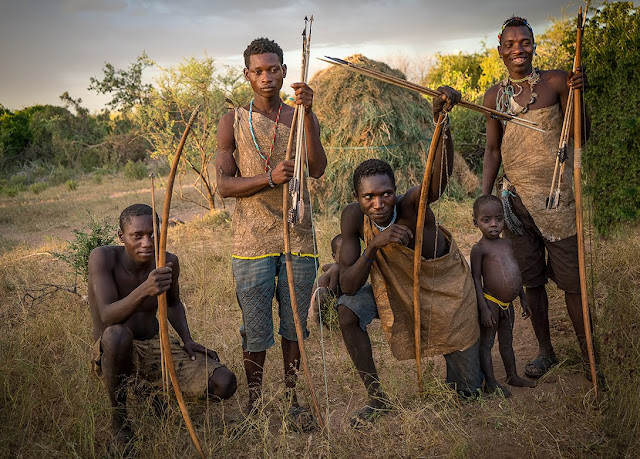
- Hadzabe lifestyles
- Meru and Chaga farming systems
- Swahili coastal culture
They explain:
- Local customs and beliefs
- Daily life in rural communities
- The relationship between people and nature
This creates a deeper understanding of Tanzania as a whole.
👉 Your safari becomes not just a wildlife journey, but a cultural experience
Language and Communication
Communication is critical to a successful safari.
Big Life Safari provides:
- Fluent English-speaking guides
- Spanish-speaking guides (on request)
- Additional language support when needed
Clear communication ensures:
- Better understanding
- More engaging experiences
- Stronger connection between guide and guest
A guide who can communicate effectively can transform even simple moments into meaningful ones.
Personalization: Every Safari is Unique
No two travelers are the same.
Big Life Safari guides adapt each experience based on:
- Guest interests
- Travel style
- Photography goals
- Activity level
For example:
- A photographer may need longer stops and positioning
- A family may prefer relaxed pacing
- A wildlife enthusiast may want early starts and extended drives
Guides adjust in real time, ensuring the safari feels tailor-made.
Safety and Professionalism
Safari environments are wild, unpredictable, and sometimes challenging.
Safety is non-negotiable.
Big Life Safari guides are trained in:
- Safe wildlife viewing distances
- Emergency response procedures
- Vehicle handling in rough terrain
- Navigation in remote areas
They maintain constant awareness of:
- Animal behavior
- Environmental conditions
- Guest well-being
👉 This allows you to relax and fully enjoy the experience
The Role of Local Knowledge
Local knowledge is one of the strongest advantages of Big Life Safari guides.
They know:
- Less crowded areas
- Seasonal wildlife movements
- Best times for sightings
- Hidden landscapes most tourists miss
This insider knowledge creates:
👉 A more exclusive and rewarding safari experience
Guides and Conservation
Big Life Safari guides play an important role in conservation.
They:
- Educate guests about responsible tourism
- Promote respect for wildlife
- Support local conservation initiatives
Through the Big Life Impact Foundation, guides also contribute to:
- Community development
- Environmental awareness
- Sustainable tourism practices
👉 Your guide is part of a larger mission to protect Tanzania
A Day with a Big Life Safari Guide
A typical day begins early.
Before sunrise, your guide is already preparing:
- Checking the vehicle
- Planning routes
- Monitoring wildlife activity
During the day:
- Leading game drives
- Sharing knowledge and stories
- Adjusting plans based on conditions
Behind the scenes, they manage:
- Park regulations
- Timing and logistics
- Guest comfort
👉 All so your experience feels seamless
Client Experience: What Guests Remember
Guests consistently highlight:
- The guide’s ability to find wildlife
- Clear explanations and storytelling
- Friendly and approachable personality
- Attention to detail
Many guests say:
👉 “The guide made the trip”
Why Guides Are the Most Important Part of a Safari
You can have:
- The best itinerary
- The best lodge
- The best vehicle
But without the right guide:
👉 The experience falls short
With the right guide:
👉 The experience becomes extraordinary
The Big Life Safari Standard
Big Life Safari selects guides based on:
- Experience and technical knowledge
- Communication skills
- Personality and professionalism
- Passion for wildlife and people
Only those who meet these standards represent the brand.
The Human Element of a Safari
At its core, a safari is not just about animals or landscapes.
It is about:
- Connection
- Understanding
- Experience
The guide is the person who brings all of this together.
They:
- Interpret the wilderness
- Share the culture
- Shape your memories
Final Thought: More Than a Guide
A Big Life Safari guide is not just someone who shows you Tanzania.
They help you:
- Understand it
- Feel it
- Remember it
And that is what makes the difference between a trip and a life-changing experience.
Travel with Big Life Safari Guides
Experience Tanzania with experts who bring every moment to life.
👉 Plan your safari today
📧 info@biglifesafari.com
📞 +255 754 834 152
0 Comment