

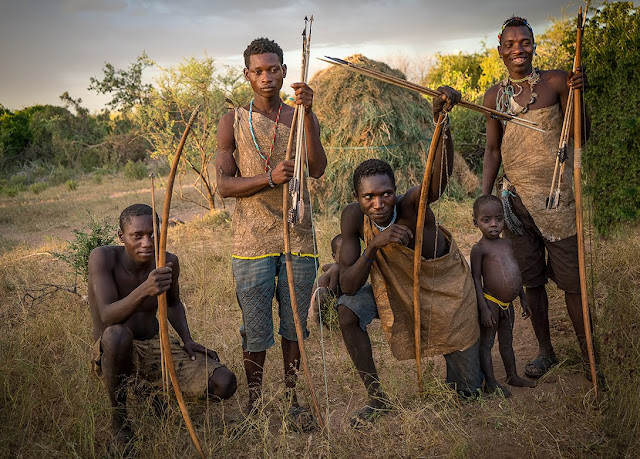

Introduction: A Journey Back to Humanity’s Origins
In a remote corner of northern Tanzania, near the dry plains of Lake Eyasi, lives a community unlike any other on Earth—the Hadzabe.
They do not farm.
They do not herd animals.
They do not build permanent homes.
Instead, they live as humans did thousands of years ago—as hunter-gatherers, relying entirely on nature.
For travelers, meeting the Hadzabe is not just a cultural experience. It is a rare opportunity to witness a way of life that has almost disappeared from the modern world.
With Big Life Safari, this experience is conducted respectfully, ethically, and in a way that benefits the community.
Who Are the Hadzabe?
The Hadzabe (also known as Hadza) are one of the last remaining hunter-gatherer tribes in Africa,and the oldest human race in the planet
They live around:
- Lake Eyasi
- The Yaeda Valley
- Rift Valley escarpments
Key Characteristics
- Population: approximately 1,000–1,500 people
- Language: includes unique click sounds
- Lifestyle: nomadic hunter-gatherers
- No formal agriculture or livestock
They are considered one of the closest living examples of early human societies.
The Hadzabe Way of Life
1. Hunting and Gathering


Hadzabe men hunt using:
- Bows and poison-tipped arrows
- Tracking skills passed down for generations
They hunt animals such as:
- Small antelope
- Birds
- Baboons
Meanwhile, women gather:
- Berries
- Tubers
- Baobab fruit
Food is shared equally—there is no concept of wealth accumulation.
2. Living Without Possessions
One of the most striking aspects of the Hadzabe is their minimalist lifestyle.
They own:
- Very few tools
- No permanent homes
- No stored food
They move with the seasons, following water and food sources.
This lifestyle challenges modern ideas of:
- Ownership
- Wealth
- Survival
3. Fire, Honey, and Survival Skills


The Hadzabe can:
- Make fire without matches
- Find water in dry landscapes
- Locate honey using bird calls
Their relationship with nature is not learned—it is instinctive.
The Hadzabe Language: A Living Mystery
The Hadzabe language is unique and includes click sounds, similar to Khoisan languages of southern Africa.
This language:
- Has no written form
- Is passed orally
- Reflects their deep connection to environment
Linguists consider it one of the most fascinating languages in the world.
Why the Hadzabe Matter Globally
The Hadzabe are more than a cultural group—they are:
- A living link to human evolution
- A model of sustainable living
- A reminder of humanity’s original relationship with nature
In a world driven by consumption, the Hadzabe represent a completely different philosophy:
Take only what you need. Share everything.
Challenges Facing the Hadzabe
Despite their resilience, the Hadzabe face serious threats:
- Land encroachment
- Tourism pressure
- Climate change
- Loss of traditional knowledge
Without protection, their way of life could disappear.
Visiting the Hadzabe: What to Expect
A Hadzabe experience is unlike any other cultural visit.
Typical Experience Includes:
- Early morning hunting walk
- Demonstration of fire-making
- Interaction with community members
- Learning about survival techniques
This is not a performance—it is real life.
Ethical Tourism with the Hadzabe
This is critical.
Responsible visits must ensure:
- Community consent
- Fair financial benefit
- Cultural respect
With Big Life Safari, visits are:
- Carefully managed
- Respectful and non-intrusive
- Designed to support the community
Best Time to Visit the Hadzabe
The Hadzabe can be visited year-round, but the best conditions are:
- Dry season (June–October): easier access
- January–February: good weather
Where to Stay Near the Hadzabe
Most visits are based from:
- Karatu lodges
- Camps near Lake Eyasi
These locations allow early morning access to Hadzabe territory.
Hadzabe Experience in a Safari Itinerary
A typical cultural safari may include:
- Tarangire National Park
- Ngorongoro Crater
- Lake Eyasi (Hadzabe & Datoga)
This combination balances wildlife + culture
The Emotional Impact of Meeting the Hadzabe
Travelers often describe this experience as:
- Eye-opening
- Humbling
- Transformational
You realize that:
- Happiness is not tied to possessions
- Community matters more than wealth
- Nature provides everything
Big Life Impact Foundation & the Hadzabe
Through Big Life Impact Foundation, support can include:
- Cultural preservation
- Education initiatives
- Sustainable tourism programs
The goal is not to change the Hadzabe—but to help protect their choice to remain who they are.
Frequently Asked Questions
Are the Hadzabe safe to visit?
Yes, when visited through experienced operators like Big Life Safari.
Do the Hadzabe accept visitors?
Yes, but visits must be respectful and ethical.
Can you join a Hadzabe hunt?
You can observe and walk with them, but not actively hunt.
How long should you spend with the Hadzabe?
A half-day experience is typical and sufficient.
Final Thoughts: A Rare Human Connection
The Hadzabe are not a relic of the past—they are a reminder of what it means to be human.
Meeting them is not about tourism.
It is about perspective.
Experience the Hadzabe with Big Life Safari
👉 Plan your cultural safari today
📧 info@biglifesafari.com
📞 +255 754 834 152
0 Comment