



Introduction: The Hidden Cultural Gem of Arusha
When travelers arrive in Arusha, they often focus on safaris to the Serengeti or Ngorongoro. Yet just beyond the city, on the fertile slopes of Mount Meru, lives one of Tanzania’s most fascinating and often overlooked communities—the Meru (Wameru) tribe.
Unlike the widely known Maasai, the Meru offer a quieter, deeply rooted cultural experience shaped by agriculture, community, and mountain life.
For those seeking authentic cultural immersion, the Meru represent a different side of Tanzania—one defined by green landscapes, farming traditions, and strong social values.
With Big Life Safari, visiting the Meru is not a stopover—it is a meaningful connection to the everyday life of northern Tanzania.
Who Are the Meru (Wameru)?
The Meru people, also known as Wameru, are a Bantu-speaking ethnic group primarily found in Arusha
The Origin: A Journey of Faith
The story of the Wameru is one of migration and resilience. Hundreds of years ago, they traveled from the east, following a vision of a mountain that touched the sky. When they reached the fertile, mist-covered slopes of Mount Meru, they stopped. They didn’t just find land; they found a sanctuary.
They are distinct from the Meru of Kenya, though they share a name. The Tanzanian Wameru carved a life out of the dense montane forests, becoming masters of the steep slopes. They learned the language of the ash and the secrets of the mountain streams.
The Architects of the Slope: Coffee, Bananas, and Honey
If you walk through the foothills of Meru today, you are walking through a “Forest Garden.” The Wameru are legendary farmers. They don’t clear-cut the land; they integrate with it.
The Banana Canopy: Like their neighbors, the Chaga, the Meru use the “three-tier” farming system. Tall trees provide shade for the coffee, which in turn protects the delicate vegetables below. It is ancient, organic, and perfectly sustainable—the original Big Life philosophy.
The Coffee Legacy: The rich, volcanic soil produces some of the finest Arabica coffee in Africa. When a Meru farmer hands you a cup of coffee, they aren’t just giving you a drink; they are giving you the essence of the mountain’s minerals.
Key Characteristics
- Language: Kimeru (alongside Swahili)
- Lifestyle: Primarily agricultural
- Environment: Fertile volcanic highlands
- Economy: Farming, livestock, and trade
The Meru are closely related to the Chaga, sharing similarities in farming systems and mountain-based lifestyles.
Life on the Slopes of Mount Meru
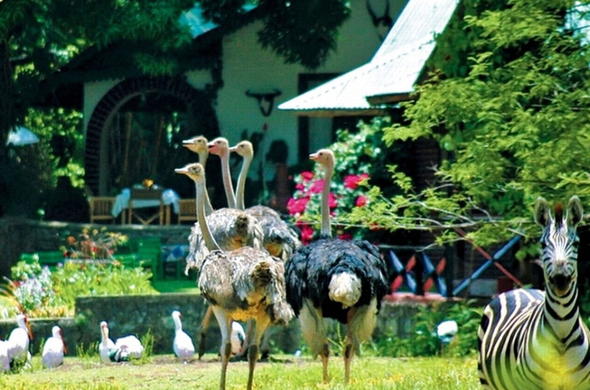

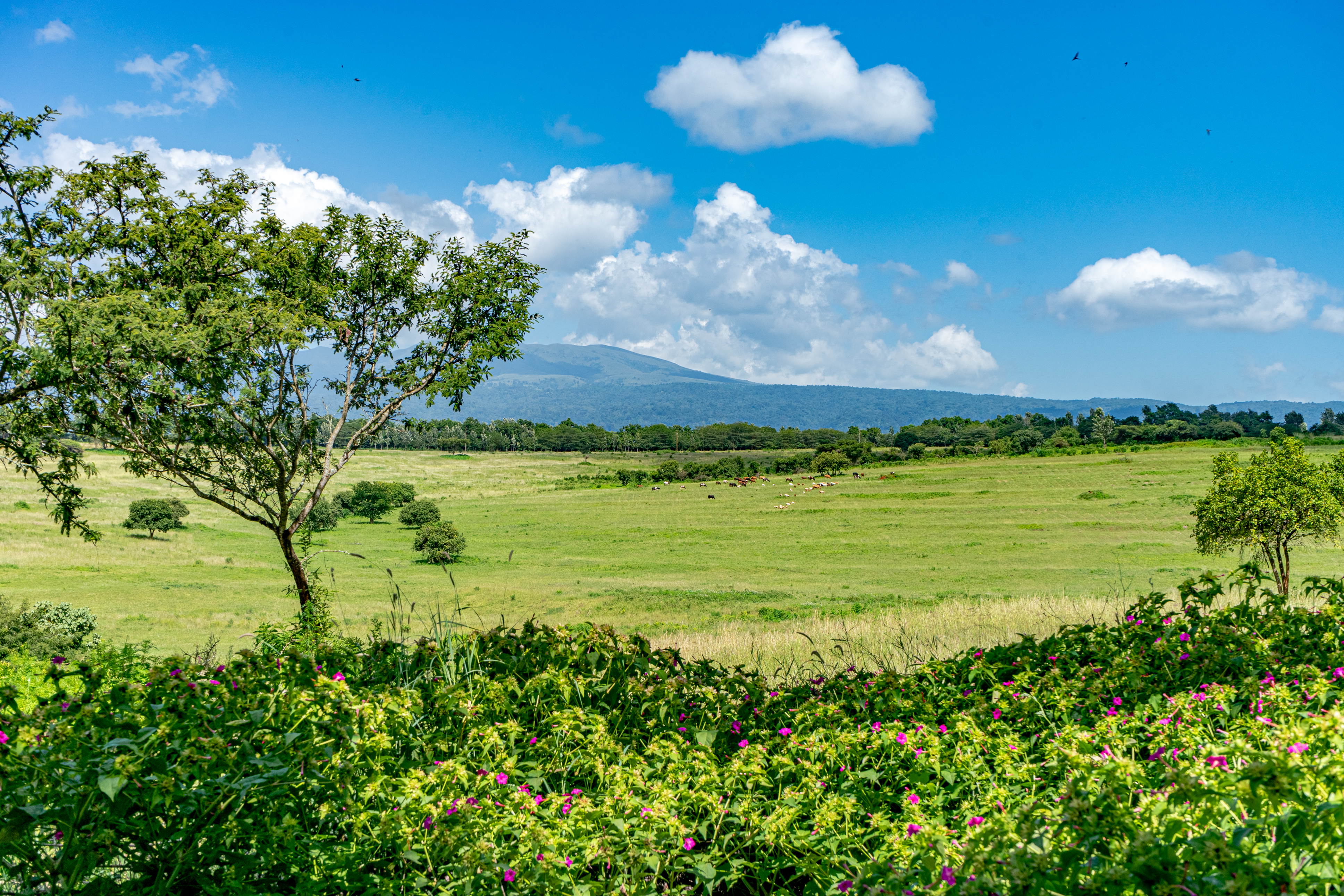
The Meru homeland is one of the most fertile regions in Tanzania, thanks to volcanic soil and reliable rainfall.
What They Grow
- Bananas
- Coffee
- Maize
- Beans
Farms are often multi-layered ecosystems, where crops grow together in sustainable harmony.
Meru Agriculture: A Model of Sustainability
The Meru have developed farming systems that are:
- Environmentally sustainable
- Highly productive
- Adapted to mountain conditions
Similar to the Chaga “Kihamba” system, Meru farms combine:
- Trees
- Crops
- Livestock
This creates a self-sustaining ecosystem that has lasted for generations.
Meru Traditions and Social Structure
1. Strong Community Bonds
Meru society is deeply community-oriented.
- Families live close together
- Neighbors support one another
- Elders play a key advisory role
Community decisions are often made collectively.
2. Role of Elders
Elders are highly respected and act as:
- Custodians of tradition
- Conflict mediators
- Cultural teachers
Their knowledge is passed down orally across generations.
3. Initiation and Life Stages
Like many Tanzanian tribes, the Meru have traditional rites of passage that mark:
- Childhood
- Adulthood
- Marriage
These ceremonies reinforce identity and belonging.
Meru Culture and Daily Life


4
Daily life among the Meru revolves around:
- Farming activities
- Household responsibilities
- Community gatherings
Typical Day Includes:
- Early morning farm work
- Market visits
- Food preparation
- Social interaction
Life is simple, structured, and closely tied to nature.
Traditional Food of the Meru
Food is central to Meru culture.
Common Foods Include:
- Bananas (staple)
- Beans
- Ugali
- Fresh vegetables
Meals are:
- Locally sourced
- Nutritionally balanced
- Shared communally
Meru and Arusha: Cultural Connection
The Meru play a major role in shaping the identity of Arusha, Tanzania’s safari capital.
Many:
- Farmers supply food to the city
- Work in tourism and hospitality
- Serve as guides and professionals
This creates a unique blend of:
Traditional culture + modern influence
Visiting the Meru: A Cultural Experience
A Meru cultural visit offers a different experience compared to Maasai or Hadzabe encounters.
What You Can Experience:
- Walking through farms
- Coffee processing tours
- Cooking with local families
- Visiting local markets
This is a day-in-the-life experience, not a performance.
Why Visit the Meru Tribe?
1. Proximity to Arusha
Easy to access before or after safari.
2. Authenticity
Less commercialized than other cultural visits.
3. Educational Value
Learn about sustainable agriculture and local life.
4. Relaxed Experience
No crowds, no pressure—just real interaction.
Meru Culture and Big Life Safari
At Big Life Safari, Meru experiences are designed to:
- Support local communities
- Provide authentic interaction
- Avoid staged tourism
Through Big Life Impact Foundation, initiatives may include:
- Supporting local schools
- Promoting sustainable farming
- Encouraging cultural preservation
Best Time to Visit the Meru
Meru communities can be visited year-round.
Best conditions:
- June–October (dry season)
- January–February
Meru Experience in a Safari Itinerary
A Meru visit fits perfectly into:
- Arrival or departure days in Arusha
- Kilimanjaro or Mount Meru climbs
- Cultural add-ons to safari
Frequently Asked Questions
Where do the Meru live in Tanzania?
They live mainly around Mount Meru in the Arusha region.
Are the Meru similar to the Maasai?
No. The Meru are agricultural, while the Maasai are pastoralists.
Can tourists visit Meru villages?
Yes, through organized cultural experiences like those offered by Big Life Safari.
What makes the Meru unique?
Their farming systems, community lifestyle, and mountain environment.
Final Thoughts: The Quiet Strength of the Meru
The Meru may not be as globally recognized as the Maasai, but they represent something equally important:
The everyday life of Tanzania
Their culture is not defined by spectacle—but by consistency, resilience, and harmony with nature.
For travelers who want to go deeper, the Meru offer a perspective that is often missed—but never forgotten.
Experience Meru Culture with Big Life Safari
Add a cultural experience to your safari
📧 info@biglifesafari.com
📞 +255 754 834 152
0 Comment