
Tanzania is a land of superlatives. It is home to the tallest mountain in Africa, the deepest lakes, and the highest concentration of large mammals on the planet. Yet, for many travelers, the idea of a Tanzania safari is still shrouded in 19th-century tropes or Hollywood exaggerations.
From the “Great Migration” to the white sands of Zanzibar, planning a safari can feel overwhelming. Many prospective travelers find themselves discouraged by myths of astronomical costs, safety concerns, or the “roughing it” lifestyle.
At Big Life Safari, we believe that clarity is the first step to adventure. This comprehensive guide debunks the ten most common myths about Tanzania safaris and replaces them with the 2026 reality of modern, professional travel.
Myth 1: Safaris are Only for the Extremely Wealthy
The Reality: A Spectrum of Luxury, Mid-Range, and Value-Driven Travel
Perhaps the most persistent myth is that you need a “Hemingway budget” to step foot in the Serengeti. While Tanzania boasts some of the world’s most expensive ultra-luxury lodges (costing upwards of $2,000 per night), the safari industry has evolved significantly.
Breaking Down the Costs:
The price of your safari is not a fixed number; it is a variable equation based on:
- Park Fees: These are fixed costs that contribute directly to conservation.
- Accommodation Style: You can choose between “Glamping” (luxury tented camps), solid-wall lodges, or basic adventure camping.
- Transport: A private vehicle with a Big Life Safari guide offers the best value for families or small groups compared to fly-in safaris.
2026 Market Insight: Mid-range safaris ($400–$600 per person/day) now offer amenities that were considered “luxury” a decade ago, including solar-powered electricity and en-suite bathrooms.
Myth 2: You See Animals Constanty, 24/7
The Reality: Understanding Nature’s Rhythm
Social media “reels” create the illusion that lions are constantly hunting and leopards are always draped over branches. In reality, a safari is a lesson in patience and the “art of the find.”
Animals follow a strict biological clock. The “Golden Hours” (dawn and dusk) are when the action happens. During the heat of the day, the African bush goes quiet. This is the reality of the ecosystem—predators conserve energy, and prey hides in the shade.
What happens during the “quiet” hours?
This is where a Big Life Safari guide proves their worth. Instead of just driving, we focus on:
- Tracking: Learning to read “the news of the morning” through paw prints and alarm calls.
- Birding: Tanzania has over 1,100 bird species.
- Flora & Ecology: Understanding how the Umbrella Acacia sustains the giraffe population.
Myth 3: Safaris are Inherently Dangerous
The Reality: Expert Management and Safety Protocols
The myth that you are “at risk” of animal attacks is largely fueled by sensationalist media. In reality, modern safaris are incredibly safe. Animals in parks like Lake Manyara or Tarangire have been accustomed to the presence of vehicles for generations; they view the safari jeep as a single, neutral object, not a source of food or a threat.
Why you are safe with Big Life Safari:
- Guide Training: Our guides undergo rigorous certification in animal behavior. They know when to approach and, more importantly, when to give an animal space.
- Vehicle Integrity: Our 4×4 Land Cruisers are modified with heavy-duty suspension and pop-up roofs designed for both visibility and protection.
- Camp Safety: All camps have “Askari” (Maasai guards) who escort guests to their tents after dark, ensuring no wildlife wanders into human spaces unnoticed.
Myth 4: Tanzania is Too Remote and Difficult to Navigate
The Reality: A World-Class Tourism Infrastructure
While Tanzania offers a “wild” experience, the logistics are anything but primitive. The Northern Circuit is one of the most well-oiled tourism machines in the world.
- Air Travel: Kilimanjaro International Airport (JRO) is the gateway, with daily flights from major global hubs.
- Roads: Major arteries connecting Arusha to the Ngorongoro Conservation Area are well-paved.
- Connectivity: Even in the heart of the Serengeti, many luxury and mid-range camps now offer high-speed satellite Wi-Fi, allowing you to share your journey in real-time.
Myth 5: You’ll Be “Roughing It” in Basic Tents
The Reality: The Era of the “Tented Suite”
If your image of a tent involves a sleeping bag on the ground, prepare to be surprised. The “Tented Camp” is the gold standard of the Tanzania experience.
These are permanent or semi-permanent structures with:
- King-sized beds with high-thread-count linens.
- Private decks overlooking the plains.
- Fully plumbed bathrooms with hot “bucket showers” or modern rainfall heads.
- Gourmet three-course meals paired with South African wines.
At Big Life Safari, we hand-pick accommodations that balance authentic “bush vibes” with the comforts of a boutique hotel.
Myth 6: You Must Be Young and Fit for Safari
The Reality: The Most Accessible Adventure on Earth
Unlike trekking Mount Kilimanjaro, a wildlife safari is a “seated adventure.” You spend the majority of your time in a comfortable 4×4 vehicle. This makes it ideal for:
- Multi-generational families: Grandparents and grandchildren can share the same binoculars.
- Travelers with Mobility Issues: We can customize vehicles and select lodges with ramp access.
- Honeymooners: Those looking for relaxation rather than a workout.
Myth 7: It’s Only About the “Big Five”
The Reality: A Tapestry of Culture and Landscapes
The “Big Five” (Lion, Leopard, Elephant, Buffalo, Rhino) is a marketing term from the old trophy hunting days. Today’s reality is much richer.
A Big Life Safari includes:
- The Great Rift Valley: Breathtaking geological formations.
- Cultural Immersion: Spending time with the Hadzabe (hunter-gatherers) or the Maasai to understand their ancient relationship with the land.
- Small Wonders: The “Little Five” (Elephant Shrew, Ant Lion, Rhinoceros Beetle, Leopard Tortoise, and Buffalo Weaver).
Myth 8: You Can Only Visit During the Dry Season
The Reality: The “Green Season” Secret
Most travel agents will tell you to visit between June and October. While the dry season offers easier wildlife spotting (as animals gather at waterholes), the Green Season (November–May) is Tanzania’s best-kept secret.
| Feature | Dry Season (Peak) | Green Season (Emerald) |
| Scenery | Golden, dusty, sparse | Lush, green, blooming flowers |
| Crowds | High | Low (Private experience) |
| Price | Premium | Significant discounts |
| Wildlife | Easy to spot | Great for Calving Season (Jan-Mar) |
Myth 9: All Safari Operators are Created Equal
The Reality: The “Big Life” Difference
The most dangerous myth is that the “cheapest” operator will give you the same experience. A low-cost operator often cuts corners on:
- Guide Wages: Leading to unmotivated or inexperienced guides.
- Vehicle Maintenance: Increasing the risk of breakdowns in the middle of the bush.
- Ethics: Crowding around animals or driving off-road, which damages the ecosystem.
Big Life Safari prioritizes ethical viewing and fair-trade tourism. We invest in our people because we know that a guide can make or break your trip.
Myth 10: Safaris are Just for “Adventurous” Types
The Reality: Bespoke Experiences for Every Soul
Whether you are a professional photographer needing a private vehicle and beanbags, or a couple looking for a “Bush and Beach” combo (Serengeti + Zanzibar), the Tanzania of 2026 is entirely customizable. We don’t believe in “cookie-cutter” itineraries.
Why the Reality Surpasses the Myth
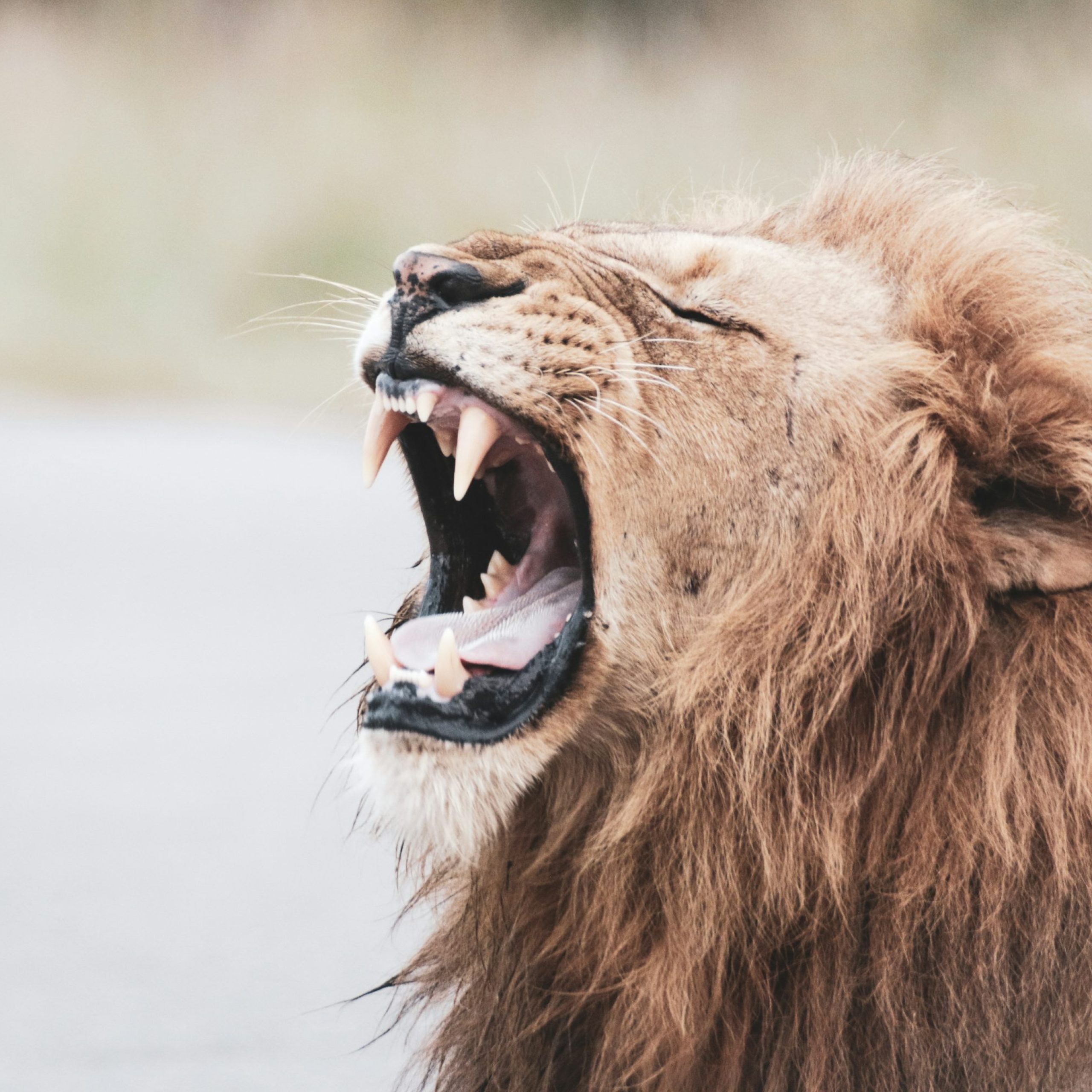
When you strip away the myths, you find a destination that is soulful, transformative, and deeply welcoming. A Tanzania safari isn’t just a vacation; it’s a sensory reset. It’s the smell of rain on the African dust, the sound of a lion’s roar vibrating in your chest, and the sight of a Milky Way so bright you don’t need a flashlight.
Ready to Experience the Reality?
Stop dreaming and start planning. Whether you are looking for a budget-friendly family adventure or a high-end luxury escape, Big Life Safari is your trusted local partner.
Your 2026 African Adventure Starts Here:
- Explore our Itineraries: See our Best of the Northern Circuit 8-day tour.
- Get a Custom Quote: Speak with a local expert to design your dream trip.
- Download our Packing Guide: Be prepared for the reality of the bush.
0 Comment