


Africa’s Most Extraordinary Safari Experience with Big Life Safari
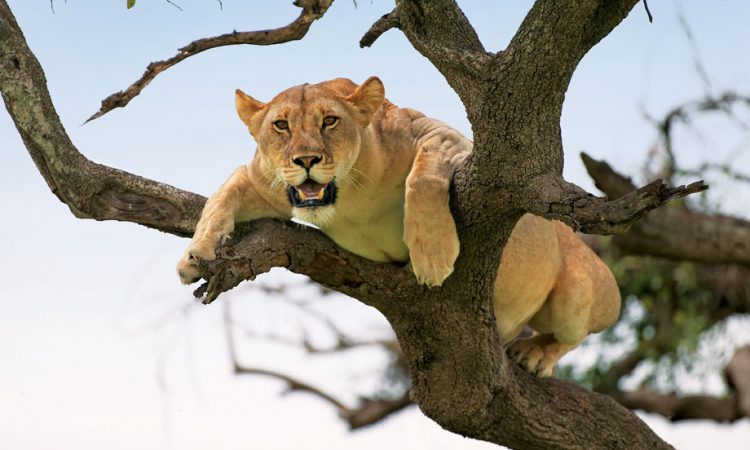
When most people imagine lions, they picture powerful predators resting on open savannahs or stalking prey across golden plains. Yet in Tanzania, some lions defy expectations entirely. High above the ground, draped across acacia branches or resting majestically in fig trees, Tanzania’s tree-climbing lions offer one of Africa’s most surprising and rare wildlife spectacles.
These extraordinary lions are found in only a few places on Earth, and Tanzania is the best destination to witness them. At Big Life Safari, we specialize in tailor-made Tanzania safaris that bring travelers closer to rare wildlife encounters—responsibly, comfortably, and with purpose.
This guide explores everything you need to know about Tanzania’s tree-climbing lions: where they live, why they climb, when to see them, and how to experience this phenomenon on a luxury, conservation-focused safari

Lake Manyara national park tree climbing lions | Tree Climbing Lions
This guide explores everything you need to know about Tanzania’s tree-climbing lions: where they live, why they climb, when to see them, and how to experience this phenomenon on a luxury, conservation-focused safari with Big Life Safari.
What Are Tree-Climbing Lions?
Tree-climbing lions are not a separate species or subspecies—they’re African lions (Panthera leo) that have developed an unusual behavioral adaptation: climbing and resting in trees. While lions are capable climbers, this behavior is extremely rare across Africa. In most ecosystems, lions remain on the ground. However, in parts of Tanzania, certain prides have learned to climb trees regularly—sometimes resting several meters above the ground for hours at a time. This behavior has fascinated researchers, wildlife photographers, and safari travelers for decades, making tree-climbing lions one of Tanzania’s most iconic wildlife features. At Big Life Safari, we incorporate these sightings into packages like our 10-Day Unforgettable Tanzania Safari, where expert guides track prides for optimal viewing.
Why Do Lions Climb Trees?
There is no single reason, but several environmental and survival factors explain why lions in Tanzania climb trees:
- Escaping Heat: The African sun can be intense, especially during the dry season. Elevated branches offer cooler breezes and shade, allowing lions to regulate their body temperature more effectively than on the hot ground.
- Avoiding Insects: In areas such as Lake Manyara, biting insects like tsetse flies are common. Climbing trees helps lions escape ground-level pests, making rest more comfortable.
- Better Vantage Point: From above, lions can survey their territory, monitor prey movements, and watch for rival predators. This elevated position provides both security and strategic advantage.
- Learned Behavior: Young lions learn by observing adults. In regions where tree climbing has proven beneficial, the behavior is passed down through generations, creating unique local traditions within prides.
Our knowledgeable guides at Big Life Safari explain these behaviors in real-time during drives, enhancing your understanding on tours like the 8-Day Lions of Northern Tanzania (from €3,500).
Where to See Tree-Climbing Lions in Tanzania
Lake Manyara National Park: The Most Famous Location
Lake Manyara National Park is world-renowned as the home of Tanzania’s tree-climbing lions. Nestled between the Great Rift Valley escarpment and a shallow alkaline lake, the park’s dense groundwater forest and abundant acacia trees create ideal conditions for this rare behavior.
Why Lake Manyara is special:
- High density of suitable climbing trees
- Cooler forest environment
- Strong tradition of tree-climbing prides
- Excellent chances of sightings on well-guided safaris
In addition to lions, Lake Manyara offers elephants, hippos, giraffes, baboons, flamingos, and over 400 bird species—making it ideal for both half-day and full-day safaris. Big Life Safari’s itineraries often start here for an immersive introduction.
Learn more: https://biglifesafari.com/lake-manyara-national-park
Serengeti National Park: A Hidden Surprise
While less famous, tree-climbing lions have also been observed in parts of the Serengeti, particularly in the western corridor and near riverine forests. Here, lions climb trees for vantage points near water sources and kopjes (rocky outcrops). Combining Serengeti game drives with Lake Manyara dramatically increases your chances of witnessing this behavior. Our 10-Day Serengeti Migration Safari includes opportunities to spot these elusive climbers.
Explore Serengeti safaris: https://biglifesafari.com/serengeti-national-park
Are Tree-Climbing Lions Unique to Tanzania?
Tree-climbing lions are found in only two regions in Africa: northern Tanzania and the Ishasha sector of Queen Elizabeth National Park (Uganda). However, Tanzania offers better infrastructure, more diverse ecosystems, easier integration with classic safari routes, and the Great Migration experience. This makes Tanzania the most complete safari destination for travelers seeking both rare wildlife and iconic African landscapes with Big Life Safari.
Best Time to See Tree-Climbing Lions in Tanzania
Tree-climbing lions can be seen year-round, but certain seasons offer better conditions:
- Dry Season (June–October): Wildlife congregates near water; clear skies and excellent visibility; fewer mosquitoes; ideal for photography.
- Green Season (November–March): Lush landscapes; fewer crowds; dramatic skies; excellent birdlife.
At Big Life Safari, our expert guides track lion behavior daily, increasing the chances of sightings regardless of season. Pair this with our sustainable practices for a guilt-free adventure.
See best travel seasons: https://biglifesafari.com/best-time-to-visit-tanzania
Tree-Climbing Lions and Safari Photography
Few wildlife images are as striking as lions resting in trees. Their unusual positioning offers dramatic compositions, natural framing, and exceptional light. Photography tips:
- Early morning and late afternoon offer the best light.
- Use a zoom lens (200–400mm recommended).
- Be patient—lions may descend and climb again.
- Trust your guide’s positioning for ethical photography.
Many professional wildlife photographers visit Tanzania specifically to capture this phenomenon—join our photographer-focused safaris for pro tips.
Tree-Climbing Lions and Conservation
This rare behavior highlights the importance of habitat preservation. Tree-climbing lions depend on healthy forests, low disturbance, and protected ecosystems. At Big Life Safari, our journeys are purpose-driven, supporting community conservation initiatives, carbon-offset programs, and local employment and education. By choosing us, you help protect not only lions but entire ecosystems.
Learn about sustainable safaris: https://biglifesafari.com/carbon-offset-safari-africa
Luxury Tree-Climbing Lion Safari Experience with Big Life Safari
Witnessing tree-climbing lions does not mean sacrificing comfort. With Big Life Safari, this rare wildlife encounter is seamlessly combined with luxury and exclusivity.

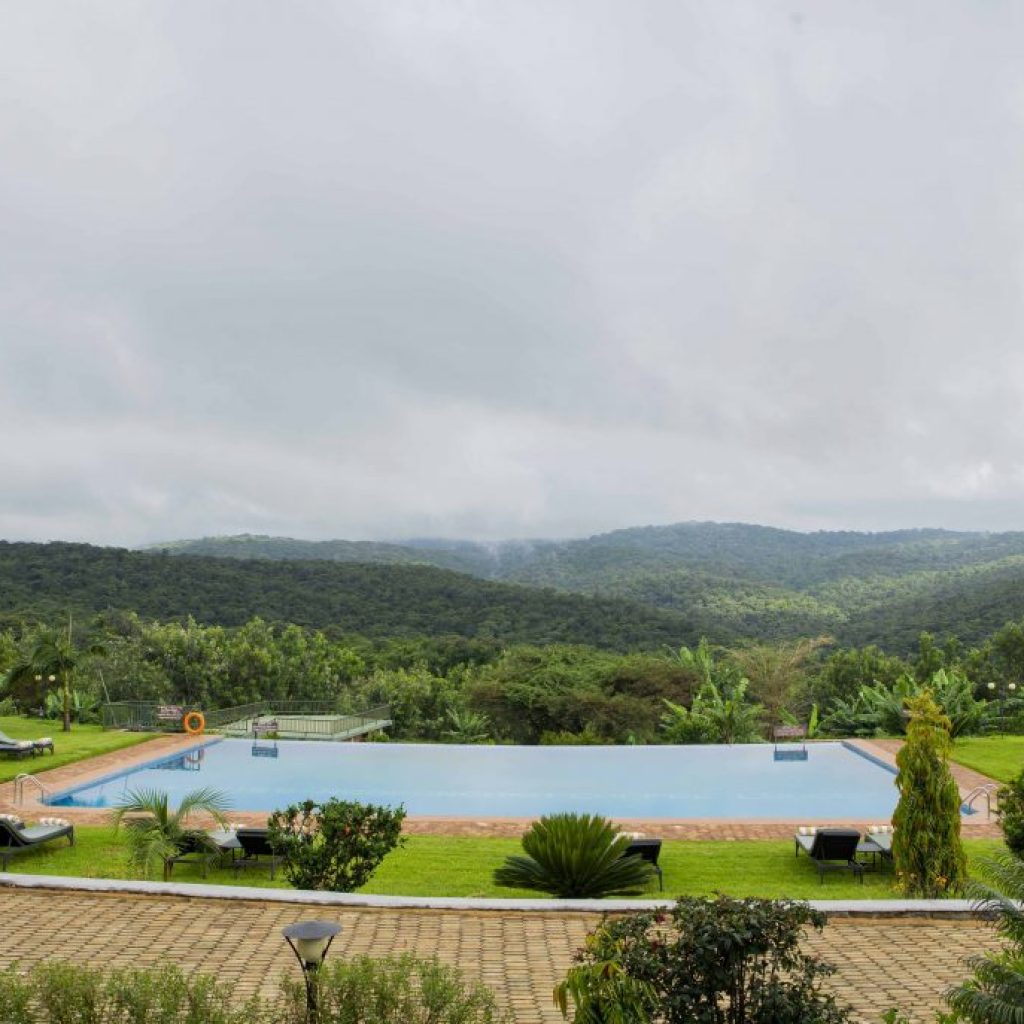
andBeyond Lake Manyara Tree Lodge | National Park | Tanzania
What to expect:
- Private 4×4 safari vehicles with pop-up roofs, Wi-Fi, and mini-fridges.
- Expert, multilingual driver-guides.
- Luxury lodges and tented camps.
- Flexible, tailor-made itineraries.
- Optional hot-air balloon safaris and cultural visits.
Every detail is customized to your travel style, whether you seek adventure, photography, family travel, or honeymoons like our 9-Day Ultimate Honeymoon in Tanzania (from $9,130).
Can Families See Tree-Climbing Lions on Safari?
Absolutely. Tanzania is one of the best destinations for family safaris, and tree-climbing lions offer a unique educational experience for children.

Tree Climbing Lions Tanzania | Lions in Tanzania | Tanzania Safaris
Why families love it:
- Safe wildlife viewing from vehicles.
- Knowledgeable guides explain animal behavior.
- Short driving distances in northern Tanzania.
- Family-friendly lodges.
Discover family safaris: https://biglifesafari.com/family-safari-tanzania
Sample Itinerary Including Tree-Climbing Lions
- Day 1: Arrival in Arusha – overnight at a luxury lodge.
- Day 2: Lake Manyara National Park – tree-climbing lion safari.
- Days 3–5: Serengeti National Park – classic Big Five game drives.
- Day 6: Ngorongoro Crater – wildlife-rich caldera.
- Day 7: Return to Arusha or connect to Zanzibar.
This itinerary can be customized for any duration or travel style, including our 10-Day Tanzania Safari & Beach Holiday.
View custom itineraries: https://biglifesafari.com/tanzania-safari-itineraries
Why Book a Tree-Climbing Lion Safari with Big Life Safari?
At Big Life Safari, we don’t sell standard packages—we craft meaningful journeys. What sets us apart:
- Founder-led safari design with deep local expertise.
- Multilingual guides (English, Spanish, Italian, French).
- White-label and agent-friendly operations.
- Community and conservation-focused travel.
- Flexible departure dates—any day, any time.
We believe safaris should create lasting memories while leaving a positive impact.
Start Planning Your Tree-Climbing Lion Safari with Big Life Safari
Seeing tree-climbing lions in the wild is a rare privilege—one that few travelers experience. Tanzania offers the best opportunity on Earth to witness this extraordinary behavior, and Big Life Safari ensures you do it the right way. Contact us today at info@biglifesafari.com or +255 754 834 152 to begin planning your tailor-made Tanzania safari that includes tree-climbing lions, luxury accommodations, expert guidance, and purposeful travel.
Contact us: https://biglifesafari.com/contact
www.biglifesafari.com
0 Comment