
The Importance of Community Engagement in Tourism: Building Sustainable Safaris in Northern Tanzania

Tourism has the power to transform destinations—but only when it is done responsibly and inclusively. In safari destinations like Northern Tanzania, community engagement is not just an added benefit; it is the foundation of sustainable tourism. When local communities are actively involved, tourism evolves from a purely extractive activity into a collaborative partnership that supports long-term economic, social, and environmental development.
At Big Life Safari, community engagement is woven into every journey we design. We believe that unforgettable wildlife experiences should go hand in hand with empowering the people who live alongside these iconic landscapes. Northern Tanzania’s safaris are at their best when local communities are respected partners, beneficiaries, and stewards of their cultural and natural heritage.
What Is Community Engagement in Tourism?
Community engagement in tourism refers to the active participation of local populations in tourism planning, operations, and benefits. Rather than tourism being something that happens to communities, it becomes something created with them.
Meaningful community engagement ensures that:
- Economic benefits stay within the local area
- Cultural traditions are respected and preserved
- Communities have a voice in how tourism develops
- Natural resources are protected for future generations
In safari tourism, where wildlife, land, and culture are deeply interconnected, community involvement is essential to sustainability.
Why Community Engagement Matters in Safari Tourism
Safari tourism relies heavily on shared landscapes—wildlife corridors, grazing lands, forests, and water sources that local communities depend on for their livelihoods. Without community support, conservation efforts struggle, and tourism risks becoming exploitative.
Engaged communities:
- View wildlife as an asset rather than a threat
- Actively protect conservation areas
- Provide authentic cultural experiences
- Create a safer, richer environment for travelers
In Northern Tanzania, where world-famous destinations like Serengeti National Park, Ngorongoro Conservation Area, and Tarangire National Park coexist with rural communities, collaboration is not optional—it is vital.
How Communities Participate in Safari Tourism in Northern Tanzania
Community engagement in Northern Tanzania takes many impactful and practical forms. These initiatives ensure that tourism contributes directly to local development while enhancing the overall safari experience.
1. Employment Opportunities: Creating Livelihoods Through Tourism
One of the most direct benefits of safari tourism is employment. Local communities are employed across the tourism value chain, including:
- Professional safari guides and driver-guides
- Lodge and camp staff (hospitality, housekeeping, chefs)
- Rangers and conservation scouts
- Cultural performers and storytellers
- Craft vendors and market traders
Local involvement guarantees authentic safari experiences. Guests benefit from cultural storytelling, traditional dances, and firsthand knowledge of the land—while communities gain stable income and professional skills.
At Big Life Safari, we prioritize partnerships with lodges and service providers that actively employ local residents and invest in skills development and career progression.
2. Community-Run Camps and Lodges: Shared Ownership, Shared Benefits
Across Northern Tanzania, several safari camps and lodges operate in partnership with local villages. In these models, communities:
- Lease land for tourism development
- Receive revenue-sharing payments
- Participate in management or employment
- Benefit from reinvestment into social services
Profits from community-linked camps are often reinvested into:
- Schools and educational programs
- Health clinics and medical outreach
- Clean water projects
- Infrastructure improvements
- Conservation initiatives
This approach ensures tourism contributes to long-term, self-sustaining development rather than short-term gains. Big Life Safari actively supports and promotes accommodations that demonstrate genuine community partnerships—not token gestures.
3. Cultural Experiences for Tourists: Preserving Heritage Through Tourism
Cultural tourism plays a powerful role in community engagement. When done respectfully, it allows communities to preserve traditions while generating income.
Big Life Safari itineraries often include visits to indigenous communities such as:
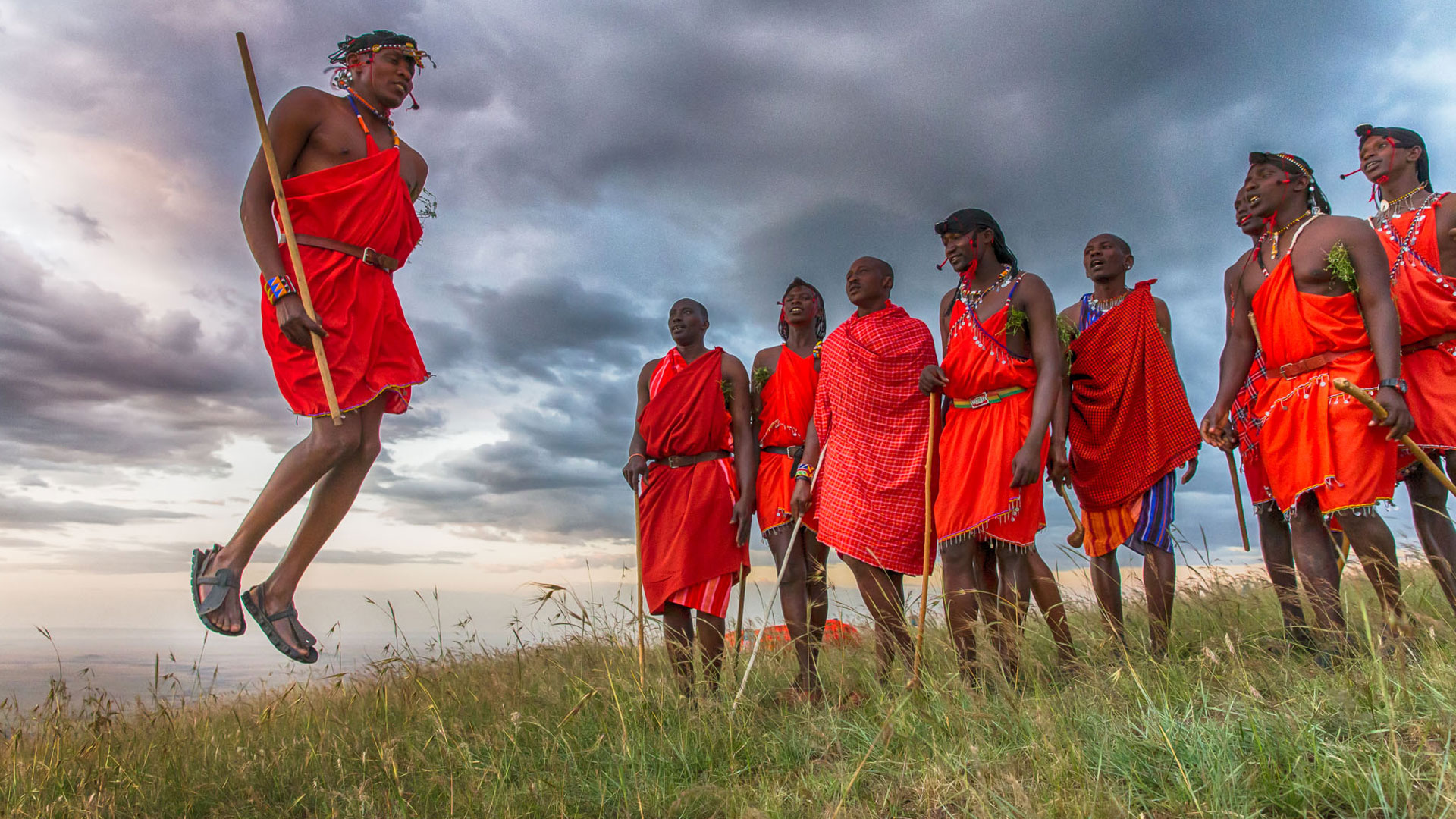
- Maasai communities of the Rift Valley and Ngorongoro Highlands
- Hadzabe hunter-gatherers near Lake Eyasi
- Datooga pastoralists, known for blacksmithing traditions
These experiences give travelers insight into traditional lifestyles, customs, crafts, and belief systems—while communities maintain control over how their culture is shared.
When communities tell their own stories, tourism becomes a tool for cultural pride and preservation, not exploitation.
4. Conservation and Wildlife Protection: Communities as Stewards of the Land
Local communities are on the front line of conservation. Their participation is essential in protecting wildlife corridors, migratory routes, and fragile ecosystems.
Community engagement in conservation includes:
- Community wildlife management areas (WMAs)
- Anti-poaching initiatives
- Human-wildlife conflict mitigation
- Environmental education programs
By participating in eco-tourism initiatives, communities receive tangible benefits from conservation, such as employment and revenue. This reduces conflict between humans and wildlife and fosters a shared responsibility for protecting natural resources.
In areas surrounding Tarangire and the Serengeti, community-managed lands play a critical role in sustaining wildlife populations beyond park boundaries.
5. Crafts and Local Markets: Supporting Indigenous Artistry
Tourism provides a vital platform for local artisans to sell handmade products, including:
- Beadwork and jewelry
- Wood carvings
- Textiles and fabrics
- Traditional tools and artwork
These crafts are more than souvenirs—they are expressions of identity, heritage, and creativity. Tourism income helps keep traditional skills alive while supporting families and local economies.
Big Life Safari encourages guests to visit ethical local markets and cooperatives, ensuring purchases directly benefit artisans and communities.
Benefits of Engaging Communities in Safari Tourism
The impact of meaningful community engagement extends far beyond economics. It creates a positive cycle that benefits everyone involved.
Economic Empowerment
- Employment and entrepreneurship opportunities
- Diversified income sources
- Reduced reliance on subsistence activities
Environmental Stewardship
- Incentives to protect wildlife and forests
- Sustainable land-use practices
- Community-led conservation initiatives
Cultural Preservation
- Protection of traditional knowledge and practices
- Pride in cultural identity
- Intergenerational knowledge transfer
Enhanced Visitor Experience
- Authentic cultural interactions
- Deeper understanding of destinations
- More meaningful and memorable safaris
For travelers, these interactions transform safaris from passive observation into human-centered experiences that resonate long after the journey ends.
Challenges and Opportunities in Community Engagement
While community engagement in Northern Tanzania’s safari tourism is promising, challenges remain.
Key Challenges
- Ensuring equitable distribution of tourism revenue
- Avoiding cultural commodification
- Balancing development with conservation
- Managing expectations between stakeholders
Without careful planning, tourism risks reinforcing inequality or exploiting cultural heritage.
Growing Opportunities
Despite these challenges, progress continues through:
- NGO partnerships
- Government-supported tourism policies
- Community-based tourism initiatives
- Responsible tour operators like Big Life Safari
Through transparency, long-term commitment, and collaboration, tourism can continue to evolve as a powerful force for positive change.
Big Life Safari’s Commitment to Community Engagement
At Big Life Safari, we see Northern Tanzania safaris as more than wildlife adventures. They are opportunities to:
- Empower communities
- Preserve cultures
- Support conservation
- Promote ethical travel
We work closely with local guides, community-linked lodges, artisans, and cultural groups to ensure tourism benefits reach those who call these lands home.
By choosing Big Life Safari, travelers directly support:
- Local employment
- Community development projects
- Responsible conservation efforts
- Authentic cultural preservation
Conclusion: Tourism That Gives Back
Community engagement is the cornerstone of sustainable safari tourism in Northern Tanzania. When communities participate meaningfully, tourism becomes a shared journey—one that protects wildlife, celebrates culture, and improves lives.
At Big Life Safari, we believe the true value of a safari is not only measured in wildlife sightings, but in positive impact. By engaging local populations in tourism activities, Northern Tanzania continues to protect its extraordinary biodiversity while ensuring that the benefits of tourism uplift the people who have safeguarded these landscapes for generations.
A safari with Big Life Safari is not just a journey into the wild—it is a step toward a more inclusive, responsible, and sustainable future for tourism in Tanzania.
[url=https://puslaxbcnto.com]Epeyokod[/url] Upeujaj fyg.mbct.biglifesafari.com.mgg.ej https://puslaxbcnto.com